- Flanders, NJ
- Login
- Reviews
- FAQ
- Newsletter


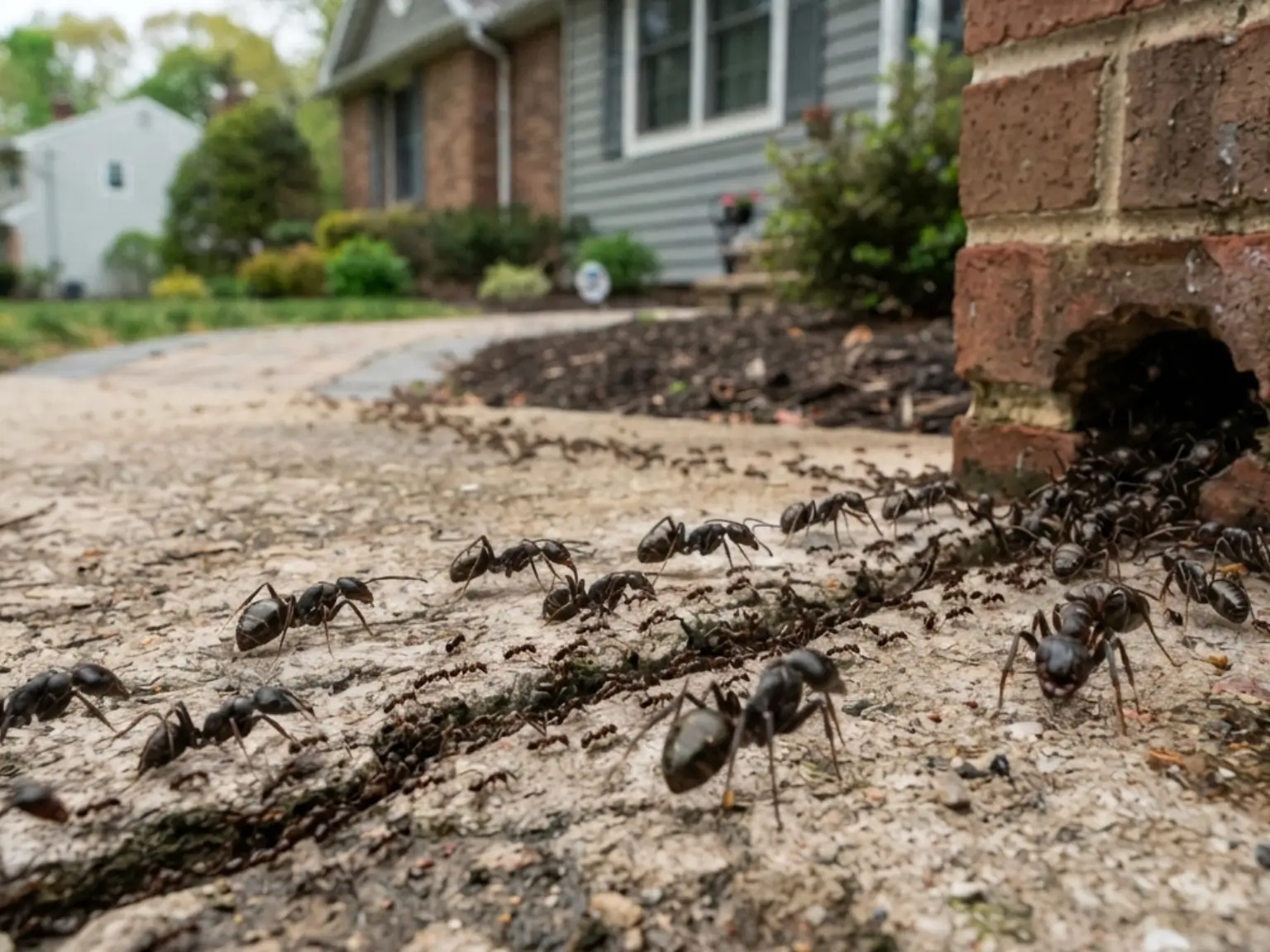
Pavement Ants (Grease Ants or Tiny Ants) in Long Valley, NJ: How to Identify, Prevent, and Eliminate Them

If you’ve noticed tiny ants marching across your kitchen counter or entering your home through tiny cracks in the foundation, you may be dealing with pavement ants, commonly known as grease ants.
Many homeowners also refer to them as tiny ants or little black ants because of their small size and the way they seem to appear overnight in kitchens, bathrooms, pantries, and other areas of the home.
Pavement ants are one of the most common household ant species found in Long Valley, NJ, and throughout Morris County. Although they don’t pose a significant health risk, they can contaminate food, become a persistent nuisance, and establish multiple colonies around your property if they aren’t properly treated.
At PermaKill, we provide professional pavement ant control for homeowners and businesses throughout Long Valley, Flanders, Chester, Mendham, Randolph, Roxbury, Rockaway, Denville, Morristown, Parsippany, Mine Hill, Wharton, Morris Plains, Morris Township, and surrounding Morris County communities.
What Are Pavement Ants?
Pavement ants (Tetramorium immigrans) are small, dark brown to black ants that typically measure between 1/16 and 1/8 inch long.
They commonly build their nests beneath:
- Sidewalks
- Driveways
- Patios
- Garage slabs
- Foundation walls
- Concrete walkways
Homeowners often notice small piles of dirt or sand around cracks in pavement where these ants have excavated their nests.
Because of their tiny size, many people simply call them tiny ants or little black ants.
Why Are They Called Grease Ants?
Pavement ants earned the nickname grease ants because they are especially attracted to greasy, oily, and protein-rich foods.
Some of their favorite food sources include:
- Bacon grease
- Cooking oils
- Meat scraps
- Cheese
- Peanut butter
- Pet food
- Greasy crumbs
Although they prefer proteins and fats, they’ll also feed on sugary foods, making them opportunistic scavengers that readily invade kitchens and pantries.
How Do Pavement Ants Get Into Your Home?
Pavement ants can enter through incredibly small openings, including:
- Foundation cracks
- Expansion joints
- Utility penetrations
- Gaps around windows and doors
- Plumbing penetrations
- Garage floor cracks
Once inside, worker ants leave a pheromone trail that guides the rest of the colony directly to food sources.
That’s why seeing only a few tiny ants today can quickly become hundreds tomorrow.
Signs You Have a Pavement Ant Infestation
You may have pavement ants if you notice:
- Tiny black ants marching in long trails
- Little black ants around kitchen countertops
- Tiny ants around pet food bowls
- Ants inside cabinets or pantries
- Small piles of dirt around cracks in sidewalks or driveways
- Increased ant activity after rainfall
- Multiple colonies around your home’s foundation
Why DIY Ant Sprays Usually Don’t Work
Many homeowners purchase aerosol sprays or bait products from a hardware store hoping to solve the problem themselves.
Unfortunately, these products often kill only the ants you can see—not the colony that’s producing thousands more.
Using the wrong product may even cause the colony to split into several smaller colonies, a process called budding. Instead of eliminating the infestation, you may accidentally spread it to other areas of your property.
Professional treatment targets the source of the infestation rather than just the visible worker ants.
How PermaKill Eliminates Pavement Ants
At PermaKill, we don’t simply spray the ants you see.
Our professional treatment includes:
- Correctly identifying the ant species
- Locating active nests
- Treating the colony with professional-grade products
- Applying treatments around the home’s foundation and entry points
- Treating active ant trails
- Providing recommendations to reduce future infestations
Our goal is to eliminate the entire colony—not just the ants currently inside your home.
Tips to Help Prevent Pavement Ants
Although no home is completely ant-proof, you can reduce the chances of an infestation by:
- Sealing cracks around your foundation
- Cleaning grease and food spills immediately
- Storing food in airtight containers
- Keeping pet food picked up when not in use
- Repairing gaps around windows and doors
- Trimming vegetation away from your home
- Eliminating standing water around your foundation
Preventive maintenance is one of the best ways to reduce future ant problems.
Frequently Asked Questions
Q. Are pavement ants harmful?
A. Pavement ants rarely bite or sting people, but they can contaminate food and become a major nuisance once they establish trails inside your home.
Q. Why do pavement ants keep coming back?
A. If the queen and colony aren’t eliminated, worker ants will continue entering your home. Most DIY sprays kill only the ants you see, leaving the colony intact.
Q. Do pavement ants live inside the house?
A. Most colonies begin outdoors beneath concrete, sidewalks, patios, and foundations. However, large infestations may establish satellite nests inside wall voids, insulation, or beneath flooring.
Q. When are pavement ants most active?
A. Pavement ants are typically most active from spring through early fall, although indoor infestations may continue year-round if food and moisture are available.
Q. Are tiny ants and grease ants the same thing?
A. In many cases, yes. Homeowners often refer to pavement ants as tiny ants, little black ants, or grease ants. While there are other small ant species, pavement ants are one of the most common tiny ants found invading homes in Long Valley and throughout Morris County.
Professional Pavement Ant Control in Long Valley, NJ
If you’re seeing tiny ants, little black ants, or grease ants in your kitchen, basement, garage, bathroom, or pantry, don’t wait for the infestation to grow.
PermaKill proudly provides professional pavement ant control throughout Long Valley, Flanders, Chester, Mendham, Randolph, Roxbury, Rockaway, Denville, Morristown, Parsippany, Mine Hill, Wharton, Morris Plains, Morris Township, and surrounding Morris County communities.
Our experienced technicians identify the source of the infestation, eliminate the colony, and help protect your home from future ant invasions.
Whether you’re searching online for:
- Pavement ant control in Long Valley
- Grease ant exterminator near me
- Tiny ants in my kitchen
- Little black ants in my house
- Ant exterminator in Flanders
- Professional ant control in Morris County
PermaKill has the experience, training, and professional products to solve the problem safely and effectively.
Schedule Your Pavement Ant Inspection Today
Don’t let a few tiny ants turn into a major infestation.
If you’ve noticed pavement ants, grease ants, or little black ants around your home, contact PermaKill today to schedule a professional inspection.
We’ll identify the species, locate the colony, eliminate the infestation, and help keep your home protected year-round.
PermaKill proudly provides professional pavement ant control in Long Valley, Flanders, Chester, Mendham, Randolph, Roxbury, Rockaway, Denville, Morristown, Parsippany, and throughout Morris County. Contact us today to schedule your inspection!