- Flanders, NJ
- Login
- Reviews
- FAQ
- Newsletter



How Does a Rodent Bait Station Work?

Rats and mice are among the most troublesome pests for homeowners and businesses. They multiply quickly, contaminate food, and can cause severe damage to structures and electrical systems. One of the most effective methods used by rodent exterminator and pest control specialists in Clinton, NJ, is the use of a rodent bait station, a safe, discreet, and powerful pest control box that helps eliminate infestations.
So, how exactly does a rodent bait station work?
A bait station is a small, tamper-resistant pest control box containing a highly effective bait known as rodenticide. The design allows rats and mice to enter and feed safely while preventing access by pets, children, or non-target animals. After consuming the bait, rodents typically return to their nest, where the poison spreads throughout the colony, helping eliminate the entire infestation.
For homeowners in Clinton dealing with a rodent issue, understanding how these bait systems work and when to call an expert can make the difference between short-term relief and long-term protection.
Why Clinton, NJ Homes Need Rodent Bait Stations
Rodents thrive in areas with dense housing, abundant food sources, and older structures, all of which describe parts of Clinton, NJ. The town’s mix of historic buildings and riverside properties offers numerous hiding spots and nesting opportunities.
Local pest control Clinton experts often find rodent problems intensify during colder months when mice and rats seek warmth indoors. That’s why installing pest control boxes or scheduling regular exterminator visits can help prevent infestations before they start.
What Is a Rodent Bait Station?
A rodent bait station, also known as a pest control box, is a specialized container designed to hold solid or liquid bait such as grains, seeds, or toxic blocks of rodenticide. Homeowners can purchase pre-made versions or build their own from durable materials.
These pest control boxes must be:
- Tamper-resistant – to protect pets and children from exposure.
- Weatherproof – made from sturdy materials that resist damage.
- Securely anchored – either nailed down, staked into the ground, or attached to a fixed surface.
Most commercial bait stations also include internal baffles, tunnel-like partitions that protect the bait from moisture and prevent it from spilling or being accessed by non-target animals.
When installed correctly, a rodent bait station provides long-term control, targeting hidden rodent colonies effectively.
DIY Pest Control vs. Professional Setup
While some homeowners attempt DIY rodent bait stations, it’s essential to follow EPA safety standards to avoid accidental exposure.
A proper pest control box should:
- Be large enough to accommodate multiple rodents.
- Include a childproof latch for safe inspections.
- Display warning labels such as “POISON – DO NOT TOUCH.”
Although DIY approaches can be helpful in minor cases, professional-grade bait boxes offer improved durability, safety, and placement accuracy. A licensed exterminator Clinton can identify entry points, assess the extent of infestation, and strategically place bait for maximum effectiveness.
What Types of Bait Work Best?
There are several effective bait types, including:
- Multiple-dose anticoagulants: Require repeated feeding before eliminating rodents.
- Single-dose baits: Fast-acting, ideal for larger infestations.
- Liquid baits: Useful during dry weather when rodents seek water.
Always ensure that the bait is fresh and of high quality; stale bait won’t attract rodents. Replace bait every 7–10 days to maintain effectiveness.
How to Maximize Bait Station Effectiveness
Even the best pest control boxes won’t work if not used properly. Follow these guidelines to get the best results:
- Strategic placement: Install bait stations along walls, behind appliances, and near droppings or gnaw marks.
- Avoid heat exposure: Don’t place boxes in direct sunlight; heat can melt bait and weaken the container.
- Secure placement: Anchor stations to prevent movement or tampering.
- Regular checks: Monitor bait levels weekly and move boxes if activity shifts.
When in doubt, schedule a professional pest control Clinton NJ inspection to ensure correct positioning and safety.
When to Call an Exterminator in Clinton, NJ
If you’re still seeing signs of rodent activity despite using traps or bait stations, it’s time to call a professional. Warning signs include:
- Persistent droppings or gnawed materials.
- Scratching sounds behind walls.
- Visible nests or chewed wires.
A licensed exterminator in Clinton, NJ, will not only eliminate the infestation but also identify the root cause from unsealed entry points to nearby food sources.
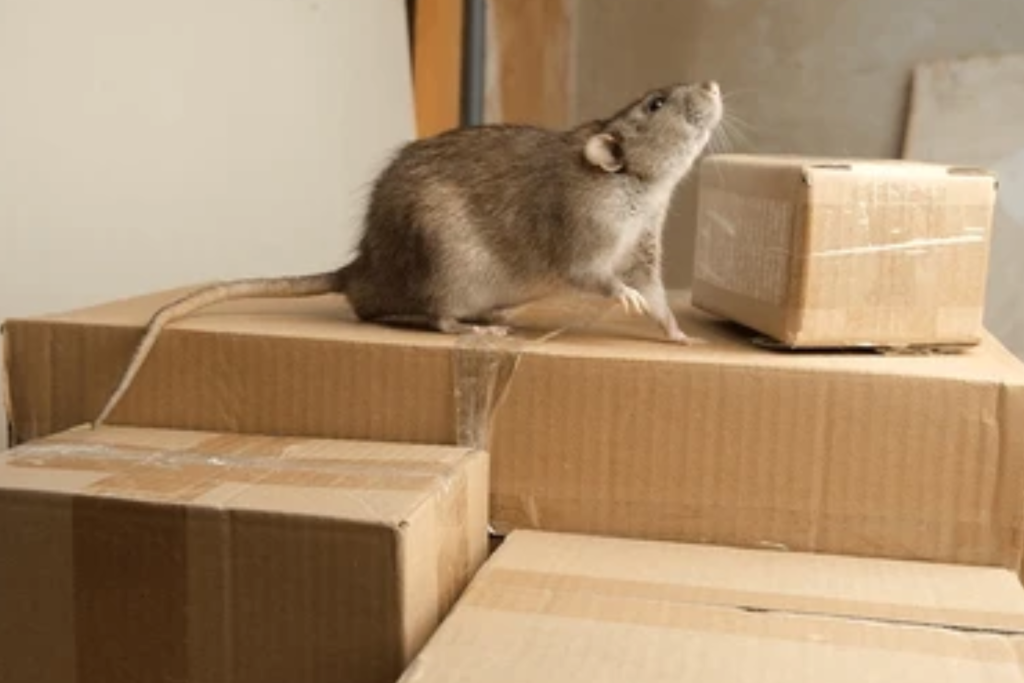
Local Story: Clinton Business Sees Real Results
“This company is great, but Jonathan Swomley is providing exceptional customer service. He literally trapped a rodent while he was doing a weekly inspection at a business. Can’t thank him and PermaKill enough.”
— Sarah Spear
Stories like Sarah’s demonstrate how PermaKill Exterminating combines technical expertise with personalized service. Whether it’s a residential property or a commercial building in Clinton, our experts provide reliable rodent and pest control backed by decades of experience.
Keep Your Clinton Home Rodent-Free with PermaKill Exterminating
Whether it’s rats, mice, or other pests, PermaKill Exterminating delivers safe, eco-friendly, and long-lasting solutions. Our pest control team in Clinton, NJ, utilizes science-based strategies, modern tools, and EPA-approved products to restore your peace of mind.
We offer:
- Same-day inspections and treatments.
- Customized pest management plans.
- Follow-up visits for continued protection.
Contact us today with our trusted exterminator and keep your property pest-free all year long.