- Flanders, NJ
- Login
- Reviews
- FAQ
- Newsletter



Argentine Black Ants vs Termites

When it comes to pest control, Argentine ants and termites are two of the most commonly misunderstood pests. While these insects may seem similar at first glance, their behavior, nesting habits, and damage they cause differ significantly. Understanding these differences is crucial when dealing with an infestation in Randolph, NJ, because methods must be tailored to the specific pest. If you suspect an infestation, correctly identifying the species can save you time and money and prevent further damage to your property.
What Are the Key Differences Between Argentine Ants and Termites?
At first glance, Argentine ants and termites might seem similar, but they differ in several important ways. These differences help identify which pest you’re dealing with and determine the best method for ant control.
Appearance
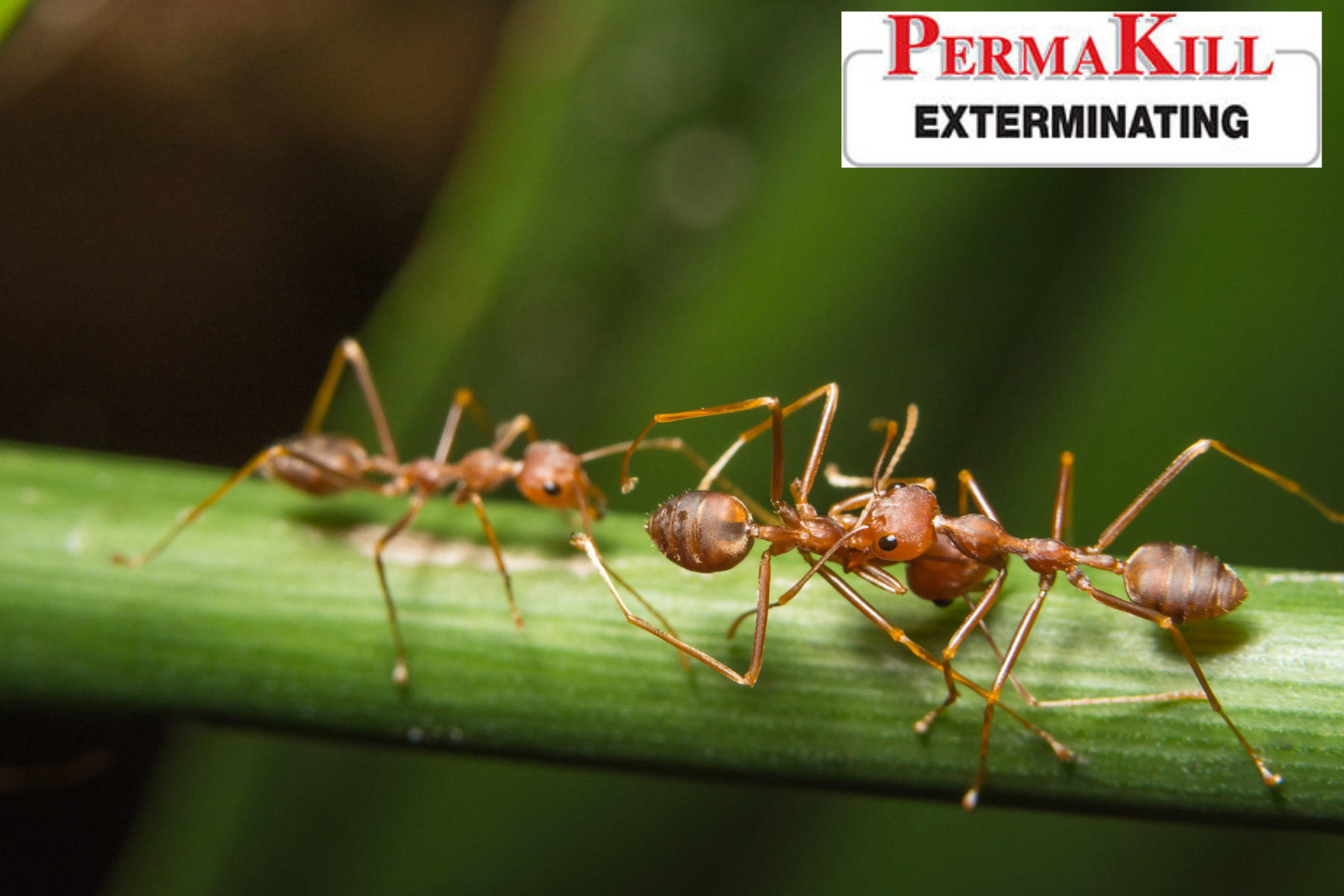
- Pharaoh ants are light brown to yellowish-red and measure about 1.5 to 2 millimeters. Pharaoh ants are notorious for invading buildings and forming large colonies in indoor spaces. They also have wings, but males do not fly.
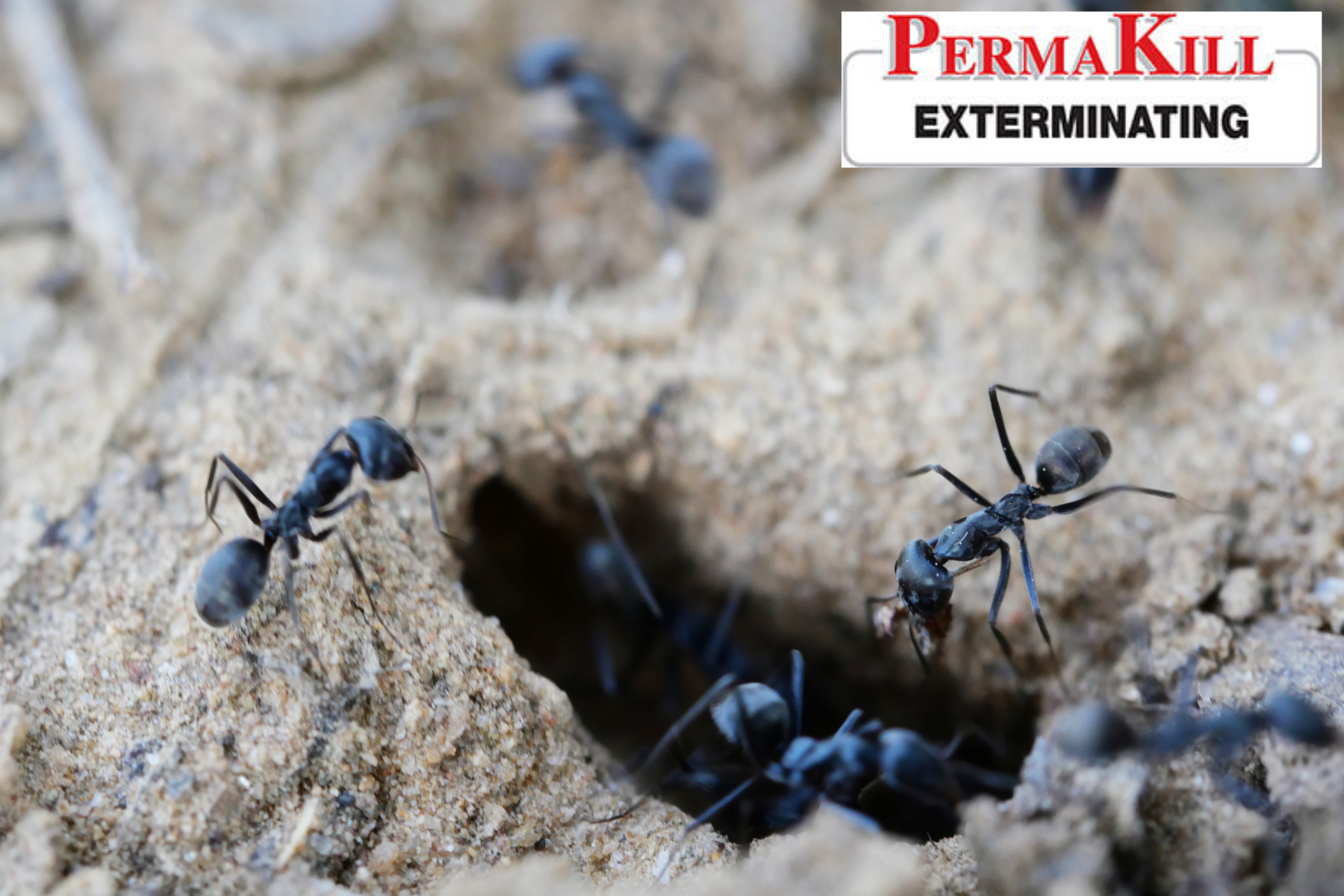
- Argentine ants: Slightly larger than Pharaoh ants, Argentine ants measure 2.2 to 2.8 millimeters in length and are typically light to dark brown. Unlike Pharaoh ants, Argentine ants form massive supercolonies and are extremely aggressive, even driving out other species or animals in their path.
Nesting Habits
- Pharaoh ants prefer warm, enclosed spaces, often nesting in wall voids, cabinets, and near heat sources. They can move entire colonies if conditions become unfavorable.
- Argentine ants, on the other hand, prefer outdoor environments like tree stumps or under the soil, but when a colony is large enough, they will migrate indoors and expand their nests. They tend to form interconnected satellite colonies, which can lead to massive infestations.
Lifespan and Reproduction
- Pharaoh ants rely on a single queen per colony, and their populations can grow rapidly, with larvae hatching within 42 days. However, their colonies are highly mobile, and worker ants may start their own nests in new locations.
- Argentine ants are unique because each colony has hundreds of queens, making it much harder to control. These ants spread by budding, where queens and workers leave the original colony to start new colonies.
How to Get Rid of Argentine Ants and Termites
Both Argentine ants and termites are challenging to remove, but there is one highly effective method for both: ant bait.
Food Preferences and Baiting
- Pharaoh ants and Argentine ants both prefer sugary foods, especially honeydew from plants and other sweet sources. When using bait, sugar-based baits are most effective, as they attract both species.
- Baiting should be done consistently, as colonies are vast, and only a small fraction of the colony will initially take the bait. Make sure to replenish bait stations regularly.
Slow-Acting Bait for Effective Control
The key to successful baiting is using slow-acting baits, which allow ants to return to the colony and share the poison with others. If the bait is too strong, it will kill the ants before they can bring it back to the nest, preventing the spread of poison. For professional help with ant control, contact an exterminator in Randolph, NJ to ensure effective and long-term results.
Preventing Ant Infestations in Randolph, NJ
To prevent future infestations of Pharaoh ants or Argentine ants, here are some essential tips for effective Randolph pest control:
- Seal entry points: Inspect your home for cracks and gaps around doors, windows, and pipes. Use caulk to block these entryways.
- Remove moisture sources: Both species are drawn to moist environments, so fix leaks and avoid overwatering plants around your home.
- Store food securely: Use airtight containers, and clean up spills promptly to avoid attracting ants.
- Keep your home clean: Regularly clean counters, sweep floors, and empty trash cans to eliminate potential food sources.
Why Choose PermaKill Exterminating for Ant Control in Randolph, NJ?
When dealing with Pharaoh ants or Argentine ants in Randolph, NJ, PermaKill Exterminating is your trusted partner for effective control. Here’s why we’re the best choice for your needs:
- Customized Solutions: Our team assesses your home’s unique needs and provides tailored strategies for long-term success.
- Eco-Friendly Practices: We prioritize environmentally safe solutions that are effective yet gentle on your family and pets.
- Expert Technicians: Our pest control experts in Randolph, NJ are trained in the latest ant-control techniques and stay up to date on industry advancements.
- Ongoing Support: We offer follow-up services and advice to ensure your home remains ant-free.
Contact PermaKill Exterminating Today for Expert Ant Control
If you’re struggling with Pharaoh ants or Argentine ants in Randolph, NJ, don’t wait! Contact us for a comprehensive inspection and expert solutions. Our team will ensure your home is safe and free from ant infestations, both now and in the future.

5 FAQs About Argentine and Pharaoh Ant Control
1. What’s the difference between Pharaoh ants and Argentine ants?
Pharaoh ants are smaller, light brown, and form smaller nests. Argentine ants are larger, dark brown, and form large supercolonies.
2. How can I get rid of Argentine ants and Pharaoh ants?
Use ant bait to target the colony. Consistently replenish bait stations and use slow-acting baits to ensure the poison spreads throughout the colony.
3. Are Pharaoh ants dangerous?
Pharaoh ants are not harmful to humans, but can spread bacteria and contaminate food. Their large colonies and ability to nest indoors make them a nuisance.
4. Why are Argentine ants so hard to control?
Argentine ants form supercolonies with multiple queens, making them resilient and difficult to eliminate. Professional pest control is recommended for large infestations.
5. How do I know if I have an Argentine or Pharaoh ant infestation?
Look for long trails of ants in search of food. Pharaoh ants are smaller and often nest in wall voids, while Argentine ants form large outdoor colonies that may invade homes.
Other related blogs:
Argentine Ants vs Odorous House Ants
Argentine Ants vs Pharaoh Ants
All About Argentine Ants and How to Create Argentine Ant Bait