- Flanders, NJ
- Login
- Reviews
- FAQ
- Newsletter


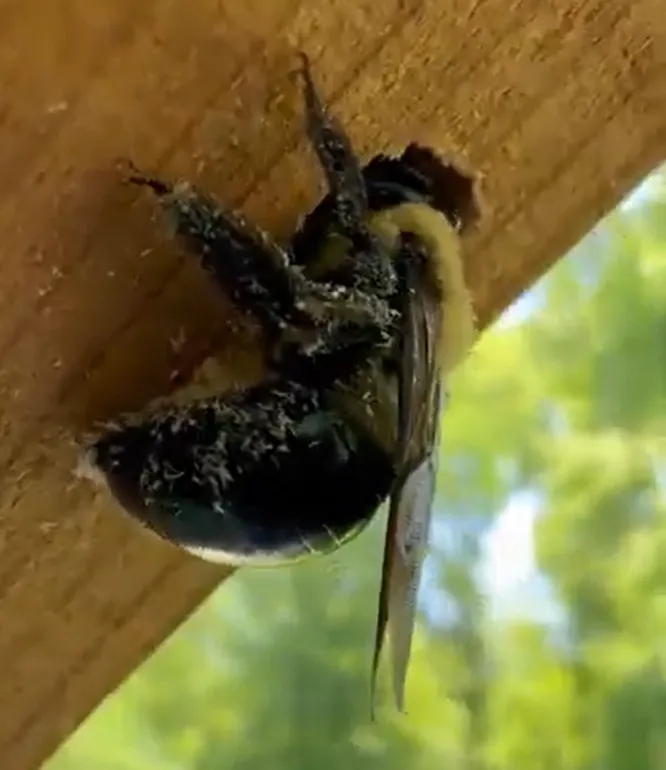
How to Identify Carpenter Bees: Damage Signs, Prevention & Treatment

Seeing fresh sawdust on your deck at the start of summer is a quick way to ruin a weekend. Most people see the mess and immediately assume a swarm of bugs is eating their porch. That sudden panic brings up thoughts of structural damage and big contractor bills. If you’re dealing with this right now, figuring out exactly what kind of pest you have is step one.
Here is what most people misunderstand about these specific bugs. They don’t eat wood to survive; they drill into it to build safe nests for their babies.
Here, we break down how to spot these wood-boring pests before things get out of hand. We are going to show you how to stop the damage today and keep them away next year. Taking care of this early in the spring saves you from major headaches later. Knowing how to identify carpenter bees quickly is essential for protecting your property from expensive structural repairs.
What Are Carpenter Bees and Wood-Boring Pests?
Carpenter bees are large, solitary bugs that bore tunnels into soft, untreated lumber to lay their eggs. They do a great job pollinating local gardens, but their nesting habits spell trouble for your home.
Unlike honeybees, they don’t live in giant hives or work together as a colony. Every female operates completely alone, digging and provisioning her own individual tunnel.
Because they work alone, early damage stays localized to one area. But the catch is that multiple females usually target the same piece of wood. Over a couple of years, all those clustered nests multiply the physical toll on your property’s framing, eventually leading to a full-blown carpenter bee infestation.
Carpenter Bee vs. Bumblebee Differences
Homeowners mix up these wood-destroying bugs with harmless garden bumblebees all the time. The fastest way to understand carpenter bee vs. bumblebee differences is by looking right at their backsides.
A carpenter bee has a smooth, shiny black abdomen that looks bald in the sunlight. A standard bumblebee, on the other hand, has a fuzzy, hairy abdomen with yellow and black stripes.
| Feature | Carpenter Bee | Bumblebee |
| Abdomen Appearance | Shiny, hairless, smooth black | Fuzzy, heavily hairy, yellow and black |
| Nesting Habits | Chews deep tunnels in dry wood | Nests underground or in thick compost debris |
| Aggression Levels | Males hover aggressively, females docile | Highly defensive of the hive if threatened |
Step by Step Guide: Identification
Physical Appearance and Average Size
If you are wondering what carpenter bees look like, measuring about a full inch long, these are some of the biggest native bees you’ll see in the yard.
Because they are so heavy, they generate serious power when drilling round holes into solid wood.
Their fuzzy yellow thorax causes the usual confusion with regular bumblebees. Just remember to check the lower half; if it lacks hair entirely, you have a problem.
Differences Between Male and Female Carpenter Bees
Knowing the difference between the males and females is important for your own peace of mind. A female carpenter bee has a completely solid black face and carries a stinger to defend her nest. Even with that stinger, she is very docile and rarely attacks unless you show that you are trying to harm her.
Males look different because they have a bright white spot right on the front of their face.
Behavioral Traits and Hovering Patterns
Here is the funny thing about the males: they don’t even have stingers.
Even though they can’t sting, they act incredibly tough to protect the female’s nesting territory. If a giant bee dive-bombs your head on the porch, you’re almost certainly dealing with a bluffing male. They hover perfectly still in mid-air and dart around to scare off anything that gets too close.
Signs of Carpenter Bee Damage and Activity
Perfectly Round Entry Holes
When looking for signs of carpenter bees, the easiest way to spot an active nest is by finding a perfectly round, half-inch hole in your wood. These carpenter bee holes are so precise that they look like a carpenter drilled them with a power tool. They usually go straight up for about an inch before taking a hard 90-degree turn to follow the wood grain. That hidden horizontal tunnel is where the real structural damage happens out of plain sight.
Sawdust Beneath Wooden Surfaces
Since these bugs don’t swallow the wood, they have to push all the shavings out of the tunnel. You will often find piles of coarse sawdust, known as frass, sitting directly under the entry holes. Finding fresh sawdust on your patio chair is a dead giveaway that a female is actively digging above.
Sweep it off. If the pile comes back the next morning, you know you have an active nest.
Yellowish Stains Around Nesting Areas
Along with the sawdust, keep an eye out for nasty yellowish-brown stains on the wood beneath the holes. These marks come from sticky pollen and insect waste falling out of the nest. The stains can permanently discolor your paint or siding and make the house look dirty. You usually need some heavy scrubbing and an exterior cleaner to wash them off completely.
Structural Weakness Over Time
One single tunnel isn’t going to make your deck collapse overnight.
The real danger comes from compounding damage when females return to the same spots year after year. They keep extending the old tunnels until the inside of the board is completely hollow. Replacing those weakened, load-bearing joists gets expensive fast.
Increased Woodpecker Activity
A sudden spike in woodpecker activity around your house is a terrible secondary sign of an infestation. These birds can actually hear the fat larvae scratching around inside the tunnels and want to eat them. Woodpeckers will gladly tear huge chunks out of your siding to reach the bugs hidden inside. If you aren’t sure what is causing the destruction, evaluating termite damage vs bee damage helps clear things up.
Why Carpenter Bees Target Wood Structures
Preference for Soft and Untreated Wood
Softwoods like cedar, raw pine, and redwood are prime targets simply because they are easy to chew. Unpainted lumber gives their strong jaws the perfect texture to grip and rip.
If your home has a lot of exposed softwood trim, you face a much higher risk during spring. They generally ignore hardwoods because digging through dense grain takes way too much energy.
Ideal Nesting Conditions and Sun Exposure
Aside from the wood type, these bugs want weather-protected, sunny spots to keep their larvae warm. The underside of a sun-baked deck rail or an overhanging eave creates the perfect nursery. They avoid dark, damp places because moisture ruins the nest.
This habit makes second-story rooflines and elevated balconies the main targets for scouting females.
Common Areas at Risk for Homeowners
● Unpainted wooden decks and staircase railings
● Untreated exterior siding and wooden shingles
● Exposed wooden fences and garden pergolas
● Overhanging eaves and roof fascia boards
Prevention and Treatment Options
Seal and Paint Exposed Wood
A heavy coat of good exterior paint is your best physical barrier against these pests. Paint fills in all the microscopic cracks and grain lines that females look for when picking a home. It masks the natural smell of the lumber and makes the surface too slick for them to chew easily. Keeping up with this paint job every few years is the best way to keep wood-boring bugs away.
Use Pressure-Treated Lumber
If you are building a new deck or replacing rotted boards, spend the extra cash on pressure-treated wood. This lumber is pumped full of industrial preservatives that insects find completely toxic. It costs a bit more upfront, but it saves you thousands in future pest control bills.
Fill Existing Nest Holes
You have to plug every single abandoned hole you find using wooden dowels and exterior wood putty. Sealing the entry points stops new females from moving into the pre-dug tunnels next spring. Just make sure you treat the hole first so you don’t trap a live bug inside, or she’ll chew a new exit. Sticking to a solid exterior wood maintenance routine is your best long-term defense.
How to Get Rid of Carpenter Bees Safely
If they are already moved in, applying professional insecticidal dust directly into the hole is the only permanent fix. The dry dust coats the interior tunnel walls, guaranteeing that any bug inside makes lethal contact. Liquid sprays don’t work well here because the wood absorbs the liquid before it can do its job.
Why Trust PermaKill Exterminating
We have spent decades getting our hands dirty, dealing with wood-boring insects in local neighborhoods. Our team of certified entomologists uses methods that actually work in the real world, not just on paper. We care about preserving your home’s structural integrity first and foremost. When we give advice, it comes from thousands of hours spent on ladders protecting local homes.
When to Call a Pest Control Professional
When a stubborn infestation starts threatening the safety of your deck or roof, it’s time to call for backup. Reach out to us today to schedule a thorough wood-boring insect inspection so we can secure your property.
Repairing Carpenter Bee Damage
Assessing the Extent of Damage
Take a piece of stiff wire and push it carefully into the abandoned tunnel to figure out how deep it goes. This helps you figure out if the board is just cosmetically damaged or completely hollowed out inside.
Replacing Severely Damaged Wood
If the interconnected tunnels have destroyed a load-bearing joist, plugging the holes won’t make it safe again. You have to rip out the compromised boards and replace them to ensure your deck is safe to walk on.
Frequently Asked Questions About Carpenter Bees
Q. Are carpenter bees dangerous?
A. The males don’t even have stingers. The females do, but they are very peaceful and usually only sting if you try to squish them.
Q. Can they damage a house?
A. Yes. Over several years, their tunnels will severely weaken untreated wood structures like decks and roof eaves.
Q. What naturally attracts them to a home?
A. They want untreated, unpainted softwoods sitting in warm, sunny areas. The smell of old nests also acts like a magnet for new bugs.
Q. How can I stop them from returning next year?
A. Paint all your exposed wood and plug every single old hole with a dowel as soon as mating season ends.
Conclusion
Catching the problem early is the best way to protect your property from these destructive pests. Dealing with it the moment you see sawdust stops a weekend chore from turning into a huge repair bill.
Paint your bare wood, keep an eye out for new holes, and plug up any abandoned nests you find. Protecting your home takes a little seasonal vigilance and some basic paint maintenance. If your DIY methods aren’t cutting it, don’t hesitate to call in the professionals at https://permakillexterminating.com/ to handle it for good.