- Flanders, NJ
- Login
- Reviews
- FAQ
- Newsletter


Tick Prevention for Homeowners: Common Species, Health Risks, and Yard Treatment

Summary: Tick prevention in New Jersey starts with understanding where ticks live, recognizing common species such as blacklegged, American dog, and lone star ticks, and reducing the risk of diseases like Lyme disease and Rocky Mountain spotted fever. Homeowners can protect their families and pets by using repellents, performing regular tick checks, keeping grass short, removing leaf litter, clearing brush, and creating dry barriers between lawns and wooded areas. When DIY methods are not enough, especially for properties near woods or areas with recurring tick activity, professional tick treatments can provide more targeted and lasting protection.
You are out in the backyard, firing up the grill. The kids are running through the grass, and the dog is chasing a tennis ball. Then, bath time rolls around, and you spot a small, dark speck attached to your child’s shoulder. Panic sets in instantly.
Tick activity has become a growing concern for many New Jersey homeowners, especially during warmer months. We see it every day on the job. Homeowners across the state are dealing with surging populations, and the constant threat of illness is making people scared to even step off their patios.
The hard truth? We often accidentally build perfect sanctuaries for these bugs right outside our front doors. But you can fix it. Effective tick prevention starts with learning how these pests actually operate so you can make your property incredibly unappealing to them. Let’s break down exactly what you are up against and how to take your yard back.
Why Tick Prevention Matters for Homeowners
Keeping these pests away from your house is a serious safety issue. You cannot afford to ignore the problem.
The Hidden Dangers in Your Backyard
Here is a fact that surprises many homeowners: ticks do not jump, fly, or drop out of oak trees. They are ambush hunters. They do something called “questing.” They crawl up a piece of tall grass, stick their front legs out, and just wait. When someone brushes past, they grab on. Taking away those hiding spots is how you win the battle.
Common Tick Species New Jersey Homeowners Should Know
Not every bug you pull off your dog is the same. Down here in New Jersey, we mostly deal with three heavy hitters.
Blacklegged Tick (Deer Tick)
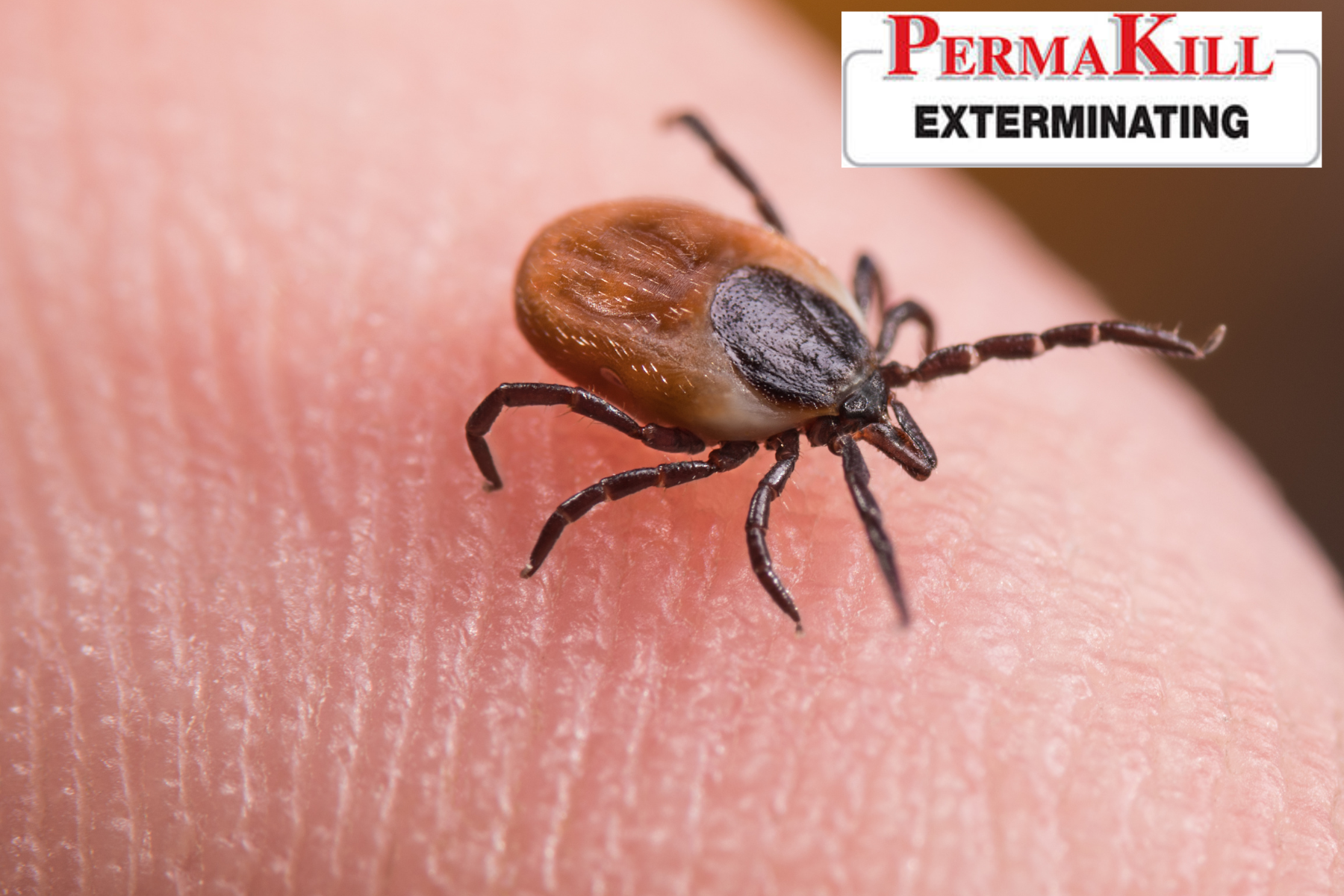
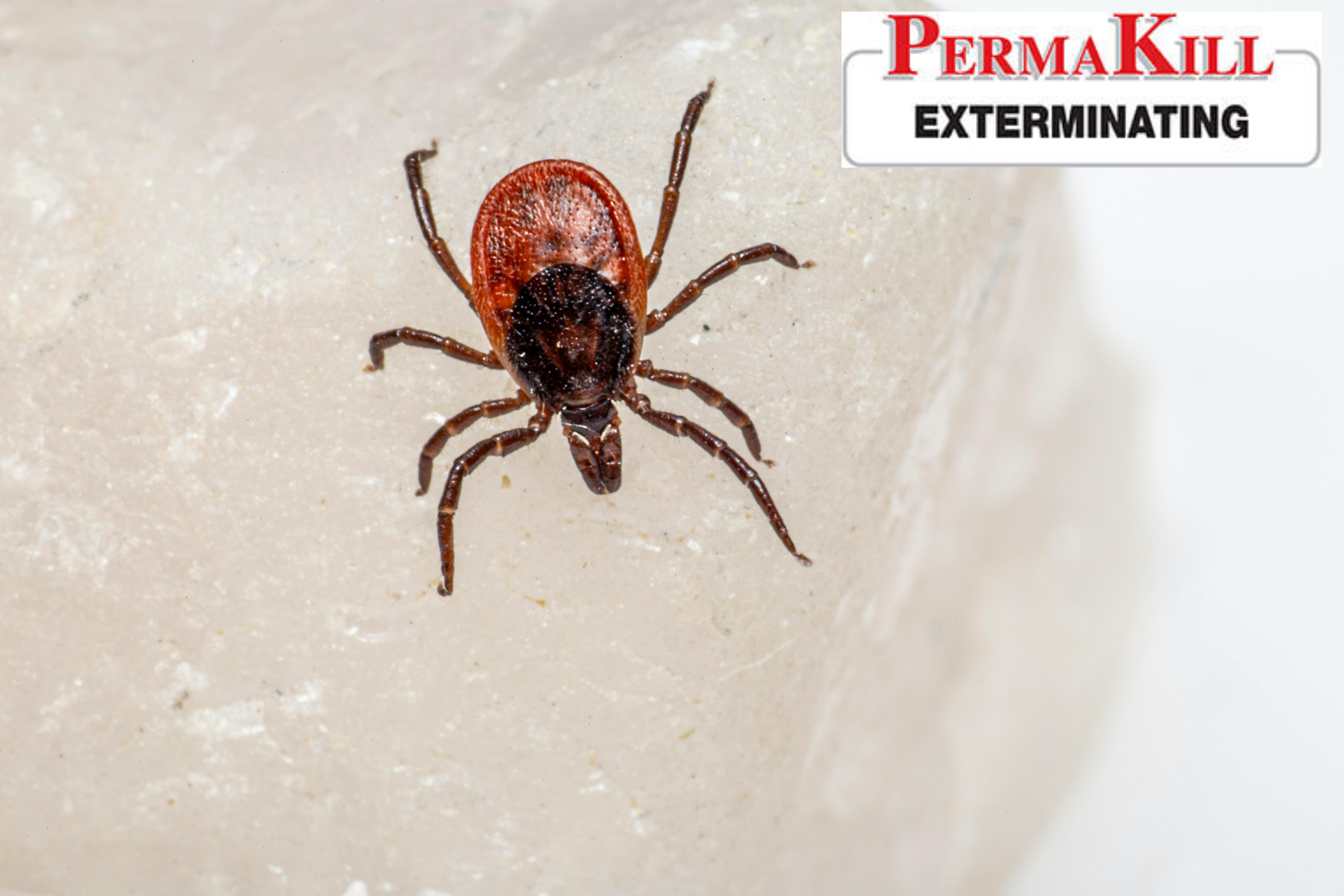
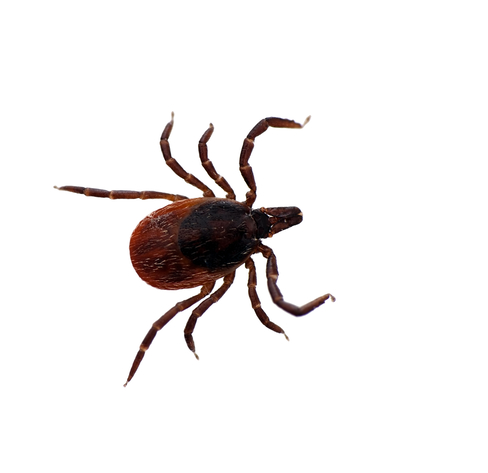
This is the one that keeps people up at night. The nymphs are tiny (literally the size of a poppy seed). If you aren’t looking hard, you will miss them entirely. They love dark, damp areas covered in thick leaf litter. This specific bug is the primary culprit responsible for spreading Lyme in our area.
American Dog Tick
These guys operate a little differently. Instead of hiding in the deep woods, they actually prefer bright, open spaces with tall grass. They hang out right on the edge of walking paths. While they prefer feeding on dogs, they have zero problems latching onto a human.
Lone Star Tick
You can spot the adult females easily by a white dot right in the middle of their backs. They are highly aggressive. While a deer tick waits patiently, Lone star ticks are known to be more aggressive feeders and may actively seek hosts. They carry nasty pathogens and can even cause a bizarre allergy to red meat.
Health Risks Associated With Tick Bites
Getting bitten isn’t just an annoyance. A single bite can trigger long-term medical issues. The rising threat of tick-borne diseases is something every homeowner needs to take seriously.
Lyme Disease
This is the big one. It is the most commonly reported vector-borne illness in the country. The CDC points out that early signs usually include a fever, being incredibly tired, stiff joints, and that famous bullseye rash.
Anaplasmosis and Babesiosis
We are seeing a lot more of these two infections lately. Anaplasmosis feels like a terrible flu (high fever, chills, and severe muscle aches). Babesiosis is even scarier because it is a parasite that attacks red blood cells, which is extremely dangerous for anyone with a weak immune system.
Rocky Mountain Spotted Fever (RMSF)
This is a tough bacterial infection mostly spread by the dog tick. If you suddenly get a high fever, a splitting headache, and a red rash spreading up your arms, you need a doctor immediately.
How to Protect Your Family From Ticks
You have to think about personal defense before you step off the driveway.
Proper Clothing for Wooded Areas
If you are heading into the brush, dress for it. Wear long pants, solid shoes, and long sleeves. Take a minute to tuck your pant legs tight into your socks. It forces the bugs to crawl up the outside of your clothes where you can spot them.
Effective Repellents
Do not skimp on the bug spray. Get something registered with the EPA that actually works on your skin, like DEET or Picaridin.
How to Perform a Thorough Tick Check
Make it a habit to check everyone the second they come inside. Look closely under the arms, behind the knees, and comb through the hair. Jumping in the shower right away is a great move because it washes off bugs that haven’t bitten down yet.
How to Protect Dogs and Cats From Ticks
What is the best way to protect dogs from ticks? You need to combine a solid vet-approved preventative medicine with daily physical checks after they play outside.
Veterinary Tick Preventatives
Talk to your vet this week. The cheap over-the-counter stuff at the grocery store rarely cuts it. Your vet can give you prescription-strength oral chews, topical drops, or heavy-duty collars that actually work. Never put dog medicine on a cat. It will make a feline severely sick.
Checking Your Pets After Outdoor Play
Get your hands deep into their fur. Feel around the ears, lift up their collars, check their bellies, and look right between their toes. Finding a bug early is the goal.
How to Prevent Ticks in Your Yard (Actionable DIY Tips)
Your property line is your first line of defense. You need to make the environment terrible for pests.
Maintain Your Lawn
Mow your grass often. Keep it short. Tall grass traps moisture and blocks the sun, creating the exact damp shade that these bugs need to survive.
Remove Leaf Litter and Clear Brush
Grab a rake and clean up those damp piles of dead leaves sitting around your fence line. Cut back the overgrown shrubs blocking the sun from hitting your grass.
Create a Tick Barrier
Lay down a strip of dry wood chips or crushed gravel about three feet wide right where your lawn meets the woods. Pests hate crossing dry, hot surfaces, so this acts like a moat around your house.
Reduce Pest-Friendly Hiding Areas
If you have deer in your yard, you have deer ticks. Plant flowers that deer refuse to eat. Move your firewood piles far away from the house because mice live in firewood, and mice carry hundreds of nymphs.
Keep Recreational Areas Away from Dense Vegetation
Pull the kids’ swing set away from the tree line. Keep your patio chairs out in the open sun. Sunny, dry conditions can make outdoor areas less favorable for tick survival.
DIY Tick Prevention vs. Professional Tick Control
People ask us all the time if they can just handle this themselves.
| Feature | DIY Treatments | Professional Tick Control |
| Cost | Cheaper upfront | Moderate ongoing cost |
| Time Required | Takes hours of your weekend | Done completely for you |
| Effectiveness | Washes away easily in the rain | Sticks around and works |
| Safety | High risk of mixing incorrectly | Handled by trained experts |
The Limits of DIY Sprays and Granules
Those bags of granules you buy at the hardware store usually wash away the first time it rains hard. Plus, homeowners accidentally mix liquid sprays wrong all the time, putting their dogs in danger without actually fixing the bug problem.
The Benefits of Targeted Professional Applications
A pro doesn’t spray your whole yard blindly. We look for the exact spots where the bugs are breeding. We hit the transitional zones and the brush piles, knocking out the population safely.
When Should You Consider Professional Tick Treatment?
Sometimes you just cannot beat nature on your own.
Signs You Need Seasonal Yard Protection
If your backyard butts right up against a nature preserve or dense woods, your risk is just too high to mess around with DIY methods. If you are doing everything right but still finding bugs on the living room floor, your setup is failing. That is when you need to call in a professional tick yard treatment to handle it properly. We help families lock down their properties across Morris, Sussex, Warren, Hunterdon, Somerset, and Union counties.
Why Trust PermaKill Exterminating for Your Family’s Safety?
When you hire someone to protect your kids, you need a local crew you can rely on.
Our Experience
We have spent years working on homes right here in New Jersey. We know the specific bug issues in Morris, Sussex, Warren, Hunterdon, Somerset, and Union counties better than anyone.
Our Expertise
We use Integrated Pest Management (IPM). We don’t just apply targeted pest control treatments. We find the source. We target the specific vegetation zones where these bugs breed to stop their life cycle cold.
Our Commitment
We treat your property like our own. Our Seasonal Yard Protection Program is designed to be incredibly tough on bugs but completely safe for your family.
Trust Signal
We are fully licensed, highly trained, and back up our outdoor pest control services with a rock-solid guarantee.
Conclusion
Keeping these pests out of your life takes real effort. You have to keep the grass short, move the firewood, and be religious about checking the dog. But if you live near the woods, doing it yourself is an uphill battle you won’t win. You deserve to hang out on your patio without worrying about pulling a bug off your kid later that night.
Take your yard back. Partner with a local expert who knows how to build a barrier around your property. Put these tips into action, get your yard inspected, and finally relax this summer.
FAQs
Q. What is the best way to prevent ticks in your yard?
A. Regularly mow your grass, rake wet leaves, trim overgrown brush, and hire professionals for perimeter barrier treatments.
Q. What are the most common ticks found in New Jersey?
A. We mostly deal with the Blacklegged (deer) tick, the American dog tick, and the Lone star tick.
Q. What diseases can ticks transmit to humans and pets?
A. Depending on the species, they carry Lyme disease, anaplasmosis, babesiosis, and Rocky Mountain spotted fever.
Q. How can I protect my dogs and cats from ticks?
A. Use a vet-approved oral or topical medicine, check their fur daily, and keep them out of high brush.
Q. When is tick season in New Jersey?
A. They are active anytime it is above freezing, but the threat heavily peaks from spring through early fall.
Q. Does mowing the lawn help prevent ticks?
A. Yes. Keeping grass short eliminates the damp, heavily shaded environment that these pests desperately need to survive.
Q. Where do ticks hide in the yard?
A. They love wet leaf piles, tall weeds, overgrown edges of the woods, and the crevices in stone walls.
Q. Can ticks live around my home?
A. Absolutely. They thrive in those transitional spots where your cut lawn meets wild, overgrown brush and trees.
Q. How often should I treat my yard for ticks?
A. During the busy season, a professional barrier treatment typically needs to be reapplied every three to four weeks.
Q. When should I call a professional tick exterminator?
A. Make the call if you are actively maintaining your yard but still finding pests on your family or pets.