- Flanders, NJ
- Login
- Reviews
- FAQ
- Newsletter


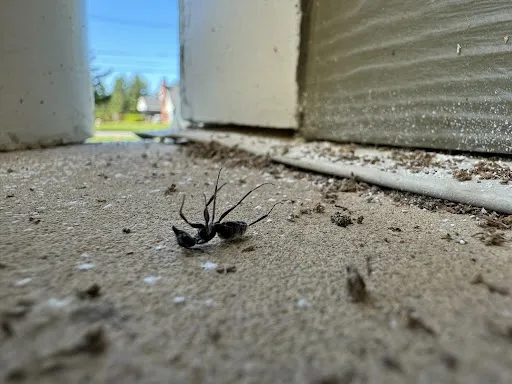
Why Do I Have Ants in My House? A Guide for Long Valley, NJ Homeowners

Summary: Ants enter New Jersey homes seeking food, water, and shelter, often through tiny cracks or gaps, and their presence does not necessarily indicate an unclean home. Killing visible ants or using repellent sprays rarely eliminates the hidden colony and may cause it to spread, while professional non-repellent baiting targets the queen and nest. Homeowners can reduce future infestations by sealing entry points, storing food securely, cleaning grease, fixing moisture problems, and trimming vegetation away from the house.
You walk into the kitchen to grab your morning coffee, hit the lights, and there they are. A perfectly organized line of insects marching right across your countertops.
It completely ruins your morning. You grab a paper towel, wipe them up, and spray down the counter. But by the time you get home from work, they’re right back in the exact same spot.
If you live in Morris County, you know this struggle all too well. “Why do I have ants in my house?” It is easily one of the most common questions homeowners ask us when the seasons change. It feels like a personal failure, especially if you pride yourself on keeping a spotless home. But let’s clear something up right away: having ants in your house doesn’t mean your home is dirty.
To actually get rid of these pests and make sure they don’t return, you have to look at your home through their eyes. Let’s break down exactly what they want, where they hide, and how to kick them out for good.
Why Are Ants Coming Into My House?
Ants don’t just wander indoors for fun. They come inside your house on a mission. Every colony operates in a relentless search for three basic things: food, water, and shelter.
When things get tough outside (maybe a drought dries up their water supply, or a heavy rain floods their nest) your house looks like a five-star hotel. It’s climate-controlled, safe from predators, and full of resources.
The frustrating part? You usually won’t even see how they get in. A tiny gap in your foundation, a loose weatherstrip around the back door, or a small crack where the plumbing pipe enters the wall is all it takes. Once a single scout finds a way inside and locates a crumb, the invasion begins.
Expert Insight: These insects have a good sense of smell. You might think your kitchen floor is clean, but to an ant, a single dropped grain of sugar under the fridge is an “all-you-can-eat” buffet.
What Types of Ants Are Common in New Jersey Homes?
Treating an infestation is never a “one-size-fits-all” situation. If you don’t know what species you are dealing with, you are just guessing. Here are the three main culprits we see locally.
Carpenter Ants
These are the big, black ants that actually damage your property. People often think they eat wood like termites, but they don’t. Instead, they chew through the wood framing of your home to hollow out tunnels for their nests.
If you spot little piles of what looks like sawdust near your baseboards, or if you hear a faint rustling sound in your walls at night, that’s a big red flag. Letting a carpenter ant problem go untreated can lead to serious structural repair bills down the road.
Pavement Ants
Have you ever seen little sand piles in the cracks of your driveway or patio? Those are pavement ants. They usually live under concrete slabs, but they love to migrate inside looking for human food, especially greasy or sweet stuff.
They are small, dark brown, and are notorious for forming massive, thick trails. To understand exactly how they operate and what draws them in, check out our Pavement Ants (Grease Ants or Tiny Ants) guide.
Odorous House Ants
These insects are just plain annoying. They get their name because if you squish one, it smells awful, kind of like a rotten coconut.
Odorous house ants build large, complex trails. They like to stay warm, so you will often find them nesting near heating units, under hot water pipes, or right inside wall voids near a bathroom. They are stubborn and tend to bounce back fast if you don’t treat them correctly.
Why Do Ants Suddenly Appear in the Spring?
Quick Answer: Ants show up in the spring because the warming weather wakes them from their winter dormancy, and heavy spring rains flood their outdoor nests, forcing them to run indoors for dry shelter.
Here in New Jersey, that shift from a freezing winter to a wet, rainy spring is a nightmare for pest control. The ground thaws out, the rain starts pouring, and ants that were happily sleeping underground suddenly find themselves drowning. Your dry basement or warm kitchen becomes their emergency escape plan.
Why Are Ants in My Kitchen?
If you are dealing with ants in the kitchen, it all comes down to food.
Think about the spaces you don’t clean every single day. The grease splatters behind the stove, the stray piece of dog food kicked under the fridge, or the sticky spot at the bottom of the trash can. That is what they are after.
Once a scout finds that food, it heads back to the nest, leaving a chemical pheromone trail on the floor. That invisible trail is literally a map for the rest of the colony. Within hours, hundreds of workers follow that exact path straight to the food source.
Why Are Ants in My Bathroom?
Finding a trail of ants in your bathroom confuses a lot of people. There isn’t any food in there, so why are they hanging around the sink?
They are hunting for water. Bathrooms are humid. Condensation drips off cold water pipes, water pools in the shower track, and sinks often have slow drips in the trap underneath. If it’s dry outside, a colony will move into your bathroom walls just to have a reliable drinking source.
Common Mistake: A lot of homeowners ignore bathroom ants, figuring a few bugs just got lost. But if they are constantly hanging around your tub, you might have a hidden plumbing leak rotting the wood behind your tile.
Why Killing the Ants You See May Not Solve the Problem
Here is the hard truth about pest control: the ants you actually see walking around your house are just the expendable workers. They make up a part of the entire colony.
Their only job is to leave the nest, find food, and bring it back. When you grab a sponge and wipe them away, you aren’t hurting the colony at all.
Deep inside the wall, or buried out in the yard, is the queen. She never leaves the nest, and she lays eggs constantly. If you kill a hundred workers on your kitchen counter today, the queen will simply replace them by next week. You are fighting a symptom, not the disease.
Be Careful With DIY Ant Treatments
When bugs invade, your first instinct is probably to run to the hardware store and grab a can of bug spray. But using store-bought sprays is often the worst thing you can do.
Most ‘over the counter’ sprays are repellents. Yes, they will kill the bugs you spray directly. But the chemical smell alerts the rest of the colony that danger is nearby. Follow the product label and keep pesticides and bait stations away from children and pets. EPA guidance emphasizes careful, label-directed pesticide use.
When this happens, a defense mechanism called “budding” triggers. The colony panics, splits into multiple smaller groups, and scatters to different areas of your house to survive. You started with one nest in the kitchen, and now you have ants in the kitchen, the bathroom, and the living room.
Why Choose PermaKill Exterminating
When you are dealing with a stubborn infestation, you need someone who knows the area and understands how local pests behave. At PermaKill Exterminating, we don’t do generic, temporary fixes.
We protect Long Valley homes using a strict Integrated Pest Management (IPM) approach. What does that actually mean for you? It means we don’t just walk in and spray chemicals randomly along your baseboards.
Instead, our technicians take the time to do a real inspection. We track the trails back to their source, figure out exactly how they are getting in, and identify the specific species. Treatment may involve baiting, targeted non-repellent products, exclusion, sanitation and moisture correction. The appropriate approach depends on the ant species and where the colony is located.
How Can We Help Prevent Ants?
While professional baiting is one of the ways to destroy an active nest, you can make your property much less attractive to future invaders.
Here is a simple checklist to keep them out:
● Seal the Gaps: Grab a tube of silicone caulk and seal up any cracks around your lower windows, doors, and where utility pipes enter the house.
● Wipe Up Grease: Don’t just wipe up crumbs. Clean up grease splatters near the stove, as grease is a huge attractant.
● Lock Down the Pantry: Stop leaving open cereal boxes in the cupboard. Put your baking supplies, sugar, and pet food into hard plastic containers with tight lids.
● Dry It Out: Fix that dripping bathroom faucet and run the exhaust fan when you shower to pull moisture out of the air.
● Trim the Bushes: Keep tree branches and landscaping shrubs trimmed at least two feet away from your siding so bugs can’t use them as a bridge.
Frequently Asked Questions
Q. Why do I have ants if my house is extremely clean?
A. Because they need very, very little to survive. Even if your floors are spotless, a shift in the weather or a small moisture problem in your wall can push them indoors. A clean house is great, but it won’t stop them if they are looking for shelter from the rain.
Q. Why did my store-bought ant spray fail?
A. Those sprays kill on contact, but they never reach the nest. Plus, they contaminate the area. If you spray a repellent, you actually ruin a professional’s ability to use effective baits, because the bugs will avoid the sprayed area completely.
Q. Are these bugs dangerous to my pets?
A. The most common house species aren’t a direct medical threat. They don’t bite or spread major diseases, but they walk through dirt and bacteria outside before marching across your dog’s food bowl.
Q. What is the difference between baits and sprays?
A. Sprays kill immediately but only get the ones on the surface. Baits are slow-acting on purpose. The goal is to let the bug live long enough to take the poison back home and share it with the queen.
Q. When should I call a professional pest control company?
A. If you have cleaned thoroughly and they keep coming back, it’s time. Also, if you keep finding them near plumbing, or if you suspect carpenter ants, you shouldn’t wait. Trying to handle wood-destroying pests on your own usually leads to expensive structural damage.
Q. Can I use vinegar to get rid of them?
A. Vinegar wipes away their invisible pheromone trails, acting as a temporary roadblock. It does not kill the nest, so the colony will eventually just find a new route.
Q. I saw bugs with wings inside, are those termites?
A. Both carpenter ants and termites swarm with wings. If the insect has a pinched waist, it’s an ant. A thick, straight body means a termite.
Q. Is it normal to see more bugs after an exterminator treats?
A. Yes. Professional baits are designed to attract workers. You will see a temporary traffic increase before they carry the bait back to the queen, causing the entire colony to collapse.
Q. How long does it take to get rid of an infestation?
A. With professional baiting, it typically takes some time, varying by species and infestation size. The product needs time to spread deep into the hidden nest and eliminate the queen.
Q. Do they go away on their own during the winter?
A. Outside, yes. But if a colony has already moved inside your climate-controlled walls, they will stay warm, continue to forage, and reproduce all year round.
Professional Ant Control in Long Valley, NJ
Dealing with ants day after day is exhausting. You don’t have to keep wasting your weekends wiping down counters and wondering where they are coming from.
We provide incredibly thorough, professional ant control for homes across Long Valley, Mendham, Flanders, and Chester. We know the local environment, we know how these pests behave, and we know exactly how to get them out of your home safely.
Don’t Just Kill the Ants You See, Find the Source
If you are tired of the constant battle, it is time to change your approach. Stop treating the symptoms and start going after the source.
You deserve to walk into your kitchen in the morning and actually enjoy your coffee without dealing with bugs. Reach out to us today. We will schedule a comprehensive inspection, locate the hidden nest, and strive to eliminate the problem.